
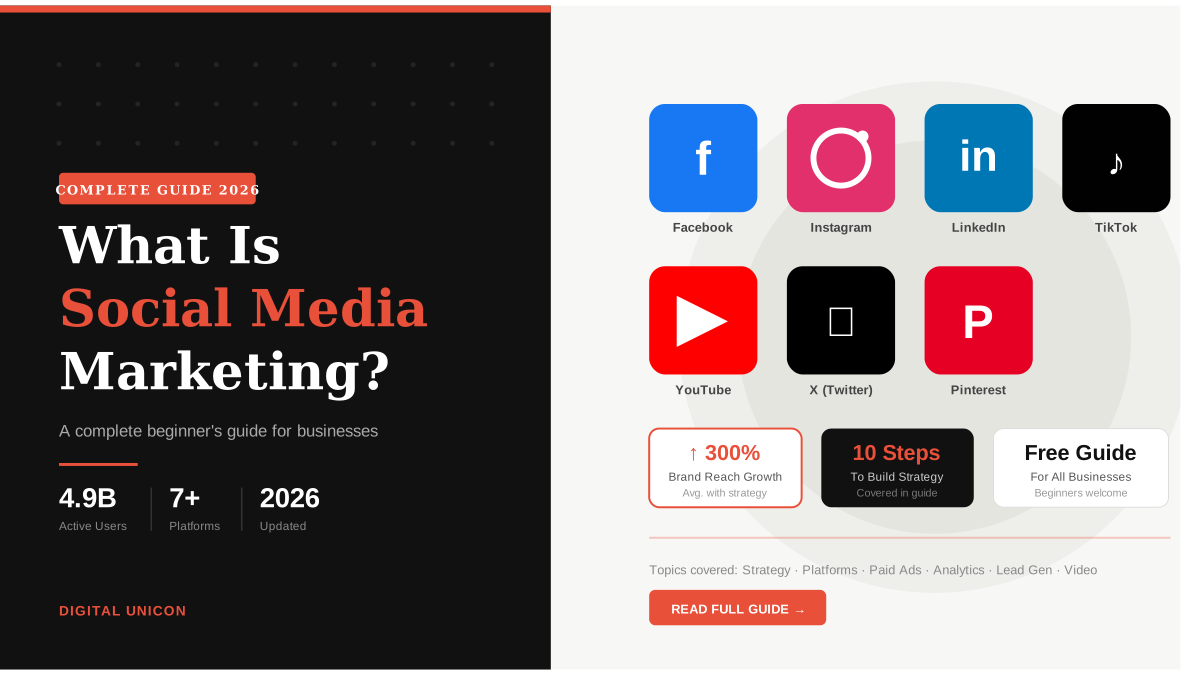
Social media usage continues to explode worldwide, with over 4.9 billion active users in 2024—a number projected to grow steadily. For businesses, this means an unprecedented opportunity to connect directly with customers where they spend much of their time. Ignoring social media no longer makes sense in today’s digital landscape.
What is social media marketing? It’s a strategic approach that leverages social media platforms to promote brands, engage audiences, and drive business results. In this guide, you’ll learn everything from the basics of social media marketing to advanced strategies, the top platforms, benefits, common mistakes, and how Digital Unicon can help your business thrive online in 2026 and beyond.
What Is Social Media Marketing?
Social media marketing is the practice of using social media networks like Facebook, Instagram, LinkedIn, and more to build brand awareness, connect with customers, and increase sales. It involves creating and sharing content tailored to your audience while engaging in conversations and running targeted paid campaigns.
Businesses use social media marketing to:
- Reach and engage their target audience
- Build brand loyalty and trust
- Drive traffic to websites or physical stores
- Generate leads and sales
- Provide customer support and build communities
In modern digital marketing, social media is a vital component because it allows two-way communication, unlike traditional advertising, fostering meaningful relationships and real-time feedback.
How Social Media Marketing Works
A successful social media marketing strategy involves several key components:
- Audience Research: Understanding demographics, interests, and behaviours to tailor messages.
- Content Creation: Crafting engaging posts, videos, infographics, and stories.
- Content Distribution: Sharing content consistently across selected platforms.
- Community Management: Engaging with followers, responding to comments, and fostering loyalty.
- Paid Advertising: Using targeted ads to amplify reach and conversions.
- Analytics & Optimisation: Tracking performance metrics to refine strategies for better results.
Each step is crucial to ensuring your social media efforts align with your business goals and deliver measurable outcomes.
Top Social Media Marketing Platforms
- Best Use Cases: B2C engagement, retargeting, community building
- Audience: Broad age range, strong in 25-54 demographic
- Benefits: Advanced targeting, diverse ad formats, large user base
- Best Use Cases: Visual storytelling, influencer marketing, brand awareness
- Audience: Younger demographics, especially 18-34
- Benefits: High engagement rates, strong e-commerce integrations
- Best Use Cases: B2B marketing, professional networking, lead generation
- Audience: Professionals, decision-makers, industries like tech and finance
- Benefits: Precise professional targeting, thought leadership opportunities
X (Twitter)
- Best Use Cases: Real-time engagement, customer service, brand voice
- Audience: News enthusiasts, younger adults, industry influencers
- Benefits: Fast-paced communication, trending topics
YouTube
- Best Use Cases: Video tutorials, product demos, brand storytelling
- Audience: All ages, especially video consumers
- Benefits: High reach, SEO benefits, monetization options
- Best Use Cases: Visual discovery, DIY, fashion, food, home decor
- Audience: Predominantly female users, planners and buyers
- Benefits: Long content lifespan, strong purchase intent
TikTok
- Best Use Cases: Short-form video, viral marketing, trend-driven content
- Audience: Gen Z and Millennials
- Benefits: Explosive organic reach, creative advertising options
Benefits of Social Media Marketing
Social media marketing offers numerous advantages for businesses:
- Brand Awareness: Reach new audiences and increase recognition.
- Lead Generation: Capture potential customer interest directly.
- Website Traffic: Drive visitors who convert into customers.
- Customer Engagement: Build relationships through interaction.
- Community Building: Foster brand advocates and loyalty.
- Increased Sales: Convert followers into paying customers.
- Customer Support: Provide real-time help and build trust.
- Competitive Advantage: Stay relevant and ahead of competitors.
Types of Social Media Marketing
- Organic Marketing: Building presence through unpaid posts and community interaction.
- Paid Social Advertising: Targeted ads to boost visibility and conversions.
- Influencer Marketing: Partnering with social media personalities to reach niche audiences.
- Video Marketing: Leveraging video content for deeper engagement.
- Community Marketing: Creating groups or forums for brand enthusiasts.
- Employee Advocacy: Encouraging employees to promote the brand on their networks.
How to Create a Successful Social Media Marketing Strategy
Follow this step-by-step framework:
- Set Goals: Define clear, measurable objectives.
- Define Audience: Identify your ideal customers.
- Select Platforms: Choose where your audience is most active.
- Create Content Plan: Develop a calendar with diverse content types.
- Publish Consistently: Maintain regular posting schedules.
- Engage with the audience: Respond and interact authentically.
- Measure Results: Use analytics tools to track KPIs.
- Optimise Strategy: Adjust tactics based on data insights.
Social Media Marketing Examples
- A local bakery uses Instagram Stories to showcase daily specials, driving foot traffic.
- A B2B software company leverages LinkedIn ads to generate qualified leads.
- A fashion brand partners with TikTok influencers to launch viral campaigns.
- A fitness startup creates YouTube workout tutorials to build authority.
- An e-commerce store runs Facebook retargeting ads to recover abandoned carts.
Common Social Media Marketing Mistakes to Avoid
- Ignoring audience research
- Posting inconsistently
- Over-promoting products
- Neglecting engagement
- Not measuring performance
- Using the same content across all platforms
- Ignoring negative feedback
- Failing to adapt to trends
- Poor targeting in ads
- Lack of clear goals
Social Media Marketing vs Digital Marketing
| Aspect | Social Media Marketing | Digital Marketing |
|---|---|---|
| Scope | Focused on social media platforms | Includes SEO, email, PPC, content, etc. |
| Communication Style | Two-way, conversational | Varied, often one-way |
| Targeting | Detailed audience targeting options | Broader targeting possibilities |
| Content Types | Visual, video, interactive | Diverse: blogs, ads, videos, emails |
| Speed of Results | Can be immediate and viral | Usually longer-term |
Why Businesses Should Invest in Social Media Marketing in 2026
- AI-Driven Marketing: Advanced AI tools improve targeting and content personalisation.
- Short-Form Video Growth: Platforms like TikTok and Instagram Reels dominate engagement.
- Social Commerce: Direct shopping via social platforms is expanding rapidly.
- Consumer Behaviour Changes: Audiences expect authentic, instant, and interactive brand experiences.
Conclusion
Social media marketing is a crucial strategy for businesses in 2026, providing unique opportunities to connect, engage, and grow.
Gaining a clear understanding of this approach and implementing effective strategies can help brands remain competitive and succeed in the ever-changing digital landscape.