Home/Blog/Best Practices for Designing UI Components
Web DevelopmentSEO

Best Practices for Designing UI Components

Create modular, reusable, and visually harmonic UI elements using curated design systems.

SL
Sarah Lin
Head of Brand & Product Design
May 29, 2026
9 min read
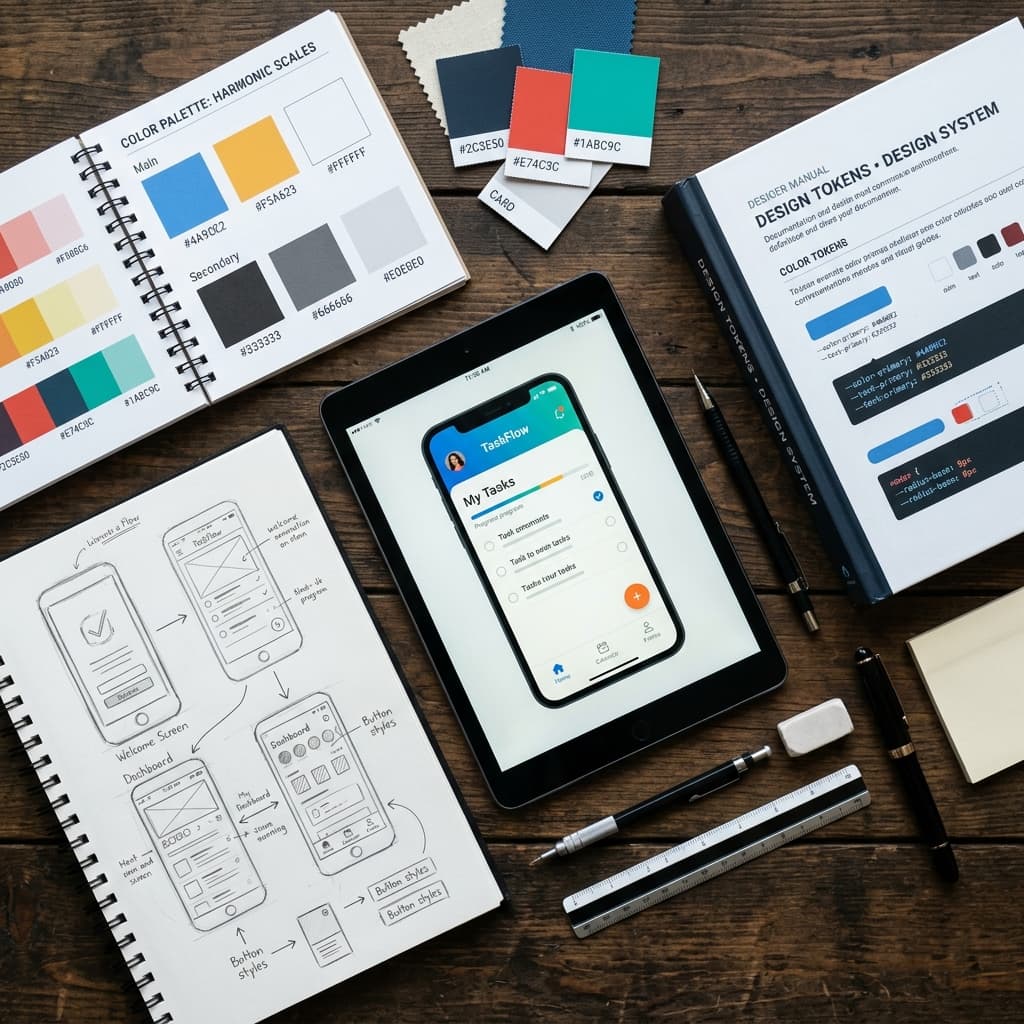
Best Practices for Designing UI Components banner image

Designing UI components that scale is a difficult challenge. As your project grows from a single landing page to a complex multi-layered application, ad-hoc styling and unstructured parameters lead to visual inconsistency and code bloat.

1. Implementing Atomic Design Principles

Atomic design structures components into five distinct levels: atoms, molecules, organisms, templates, and pages. By keeping buttons, inputs, and icons as independent atoms, you can build unified cards, headers, and grids (molecules and organisms) that inherit clean global themes automatically.

2. Standardizing Design Tokens

Design tokens represent the visual values of your brand design system: color hexes, font sizing scales, paddings, borders, and shadows. Hardcoding values like #e74e30 across 50 components makes global edits impossible. Using unified tokens like var(--color-accent) guarantees design alignment.

Frequently Asked Questions

Quick answers to common questions about this article.

Design tokens are style values (such as colors, typography scale, spacing, and animations) represented as variables. They allow a single source of truth for styles across platforms and codebases.

Ready to grow your website's
organic search visibility?

Contact our SEO and web development experts to structure your platform, resolve technical code bottlenecks, and scale customer acquisitions.

Digital Unicon
Available Now

Let's Build Something Great

Fixed-price quotes · Reply within 1 hour

Chat on WhatsApp
Available for new projectsDigital Unicon