Build Stronger Brand
Engagement
Across Social Platforms
Strategic social media campaigns, creative content, and audience-focused marketing designed to grow visibility, engagement, and customer trust.
Trusted by 500+ Happy Clients, Including Fortune 40 Companies







WE engineer
DIGITAL GROWTH.
Digital Unicon isn't just another agency. We are a multidisciplinary team of strategists, designers, and growth engineers committed to building scalable systems that generate massive ROI.
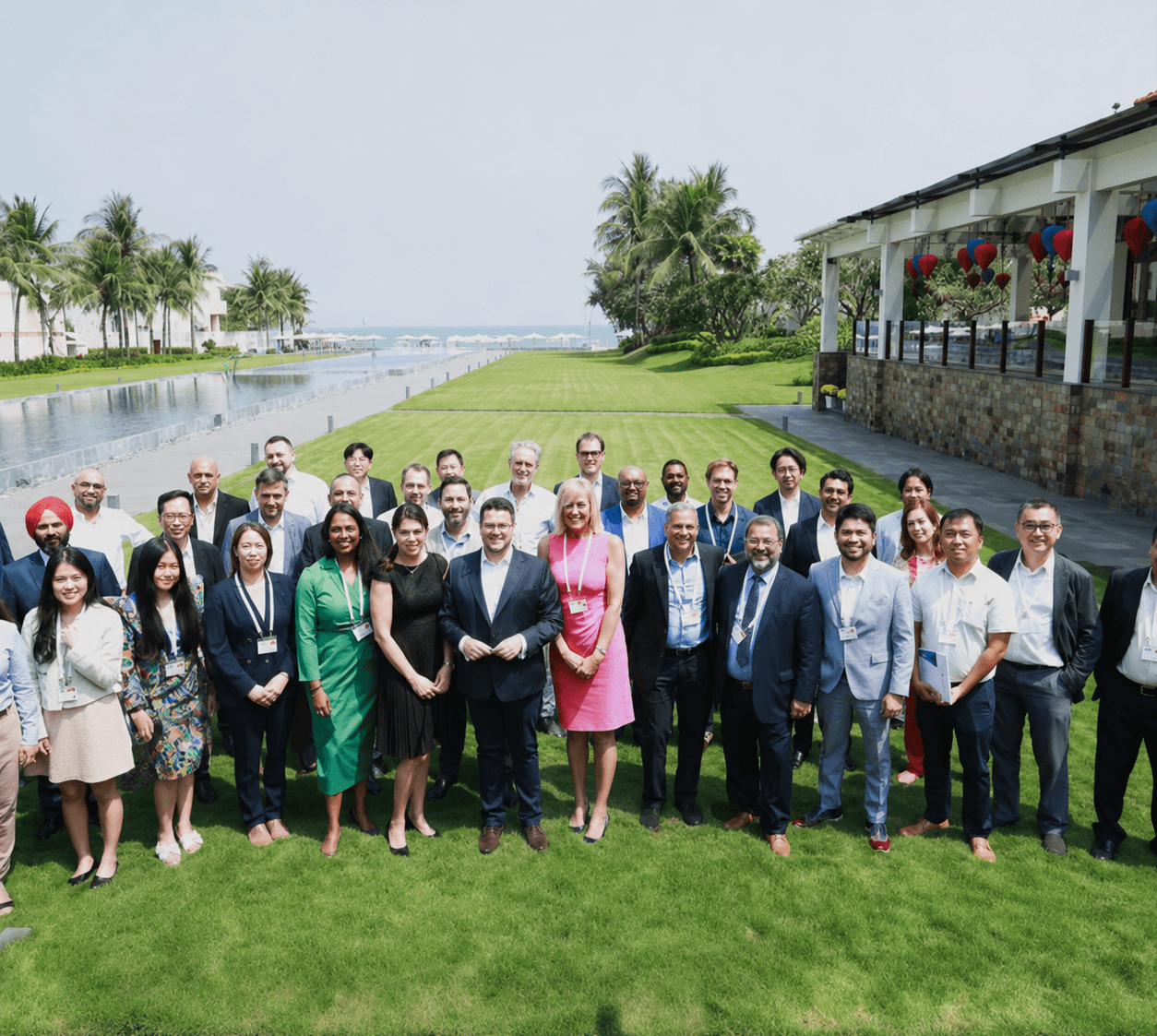
"The best digital growth partner we've ever worked with."
— Fortune 40 Client
CAPABILITIES
& EXPERTISE
Built to solve real business problems — not just deliver services. We craft digital systems that scale.
Full Custom Web Solutions
Tailor-made, high-performance websites built from the ground up for your specific business goals.
SEO & Sales Leads
Dominating search results to drive high-quality organic traffic and convert visitors into qualified leads.
CRO & Performance Marketing
Data-driven optimization and targeted paid campaigns designed to maximize your return on investment.
Real Websites Built for Speed & Conversion
Hover over any browser mockup to scroll the page. Click to visit the live site or read the detailed case study.

iTech Ecommerce
Designed and developed a professional corporate website for iTech Ecommerce, one of India's major Alibaba.com channel partners focused on B2B e-commerce solutions.

WMSJ Hospital
Built a fast and secure online hospital portal for WMSJ Hospital, featuring clean healthcare UI/UX, service listings, doctor directories, and high-converting inquiry forms.

Cabs On Demand
Redesigned the Cabs On Demand fleet booking portal with a stronger focus on user experience, faster booking journeys, and clearer customer interactions, scaling direct business inquiries.

Malforge Group
Designed a cutting-edge, high-conversion landing portal for Malforge Group, presenting offensive cybersecurity training programs, syllabus guides, and student registration forms.
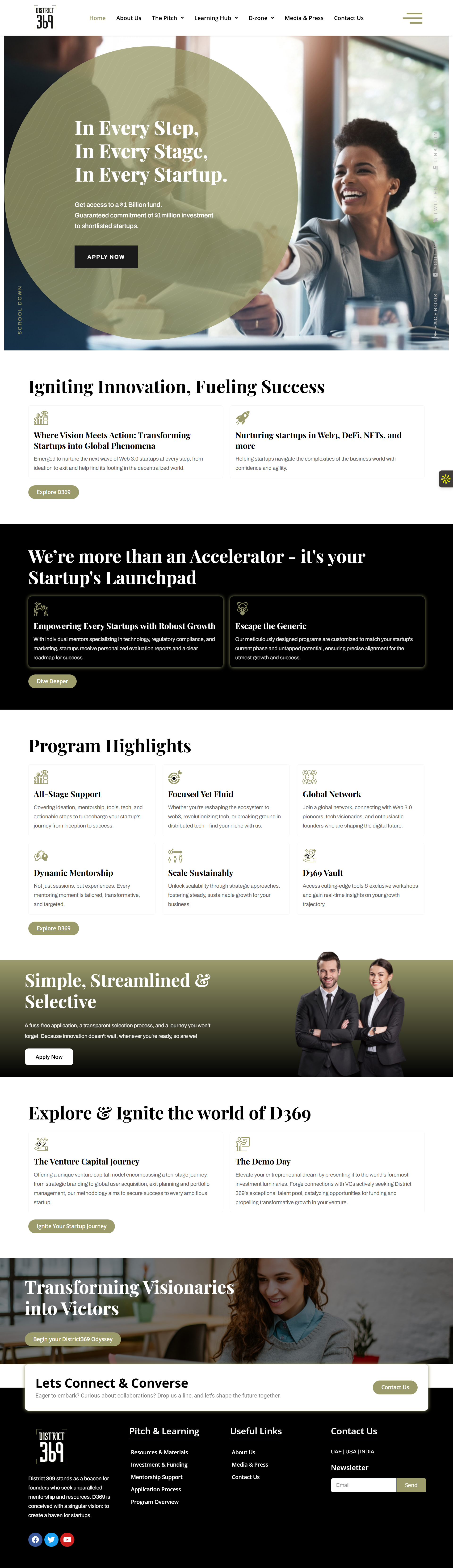
369 District
Built a stunning corporate portal for 369 District to highlight active construction projects, residential floor plans, and VIP investor club inquiries with high-quality assets.

369 Jewels
Created an ultra-premium, fast-loading Shopify jewelry catalog and e-commerce experience for 369 Jewels, driving direct digital orders with seamless payment gateways.
PROVEN Results
Real projects. Real challenges. Measurable business impact. Explore how we help brands scale conversions and digital user experiences.
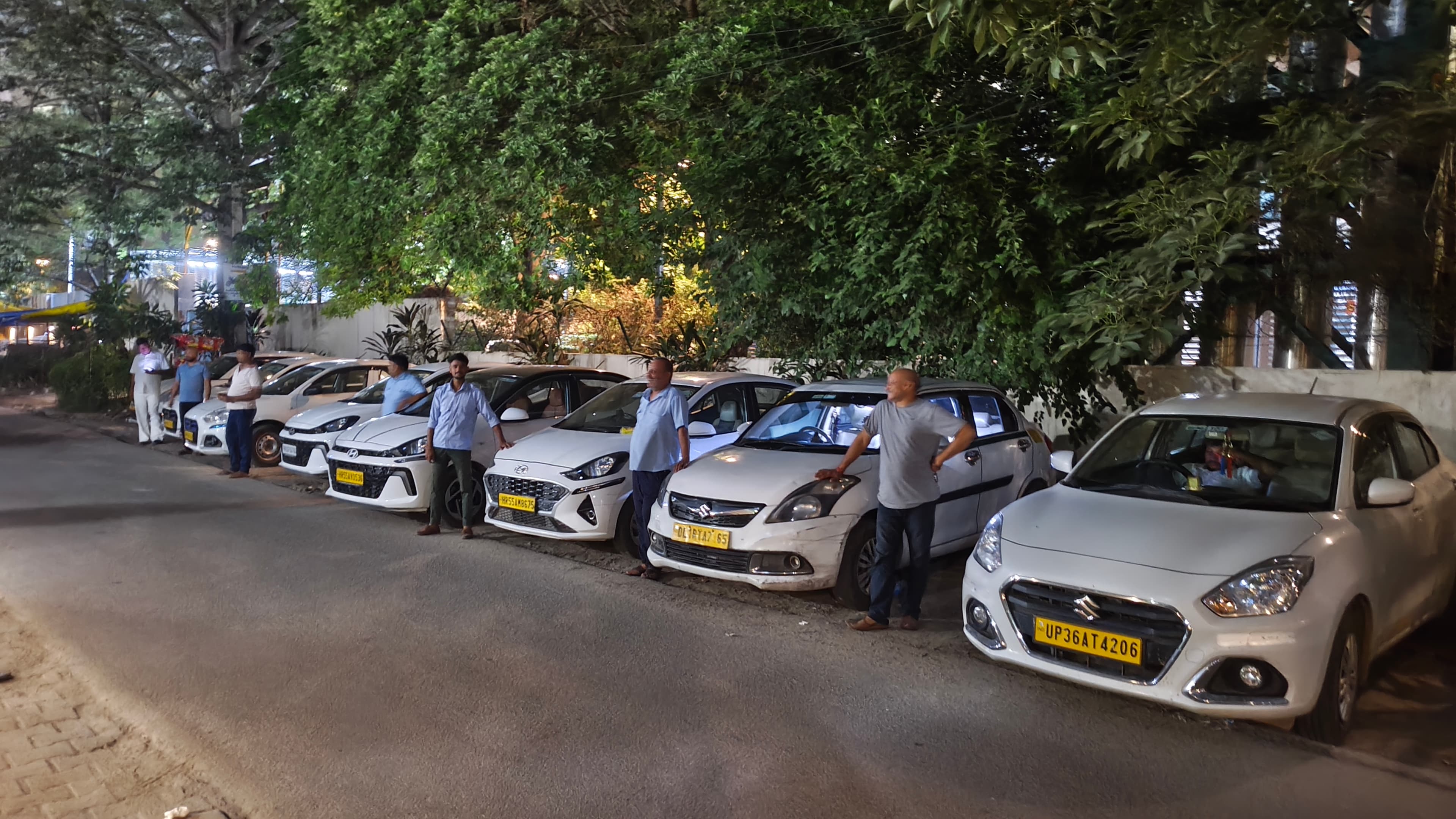
Driving More Genuine Leads Through a Better User Experience
We redesigned the Cabs On Demand website with a stronger focus on user experience, faster booking journeys, and clearer customer interactions. The result was a streamlined platform that increased engagement, improved conversion rates, and generated more genuine booking inquiries from potential customers.
Read Case Study
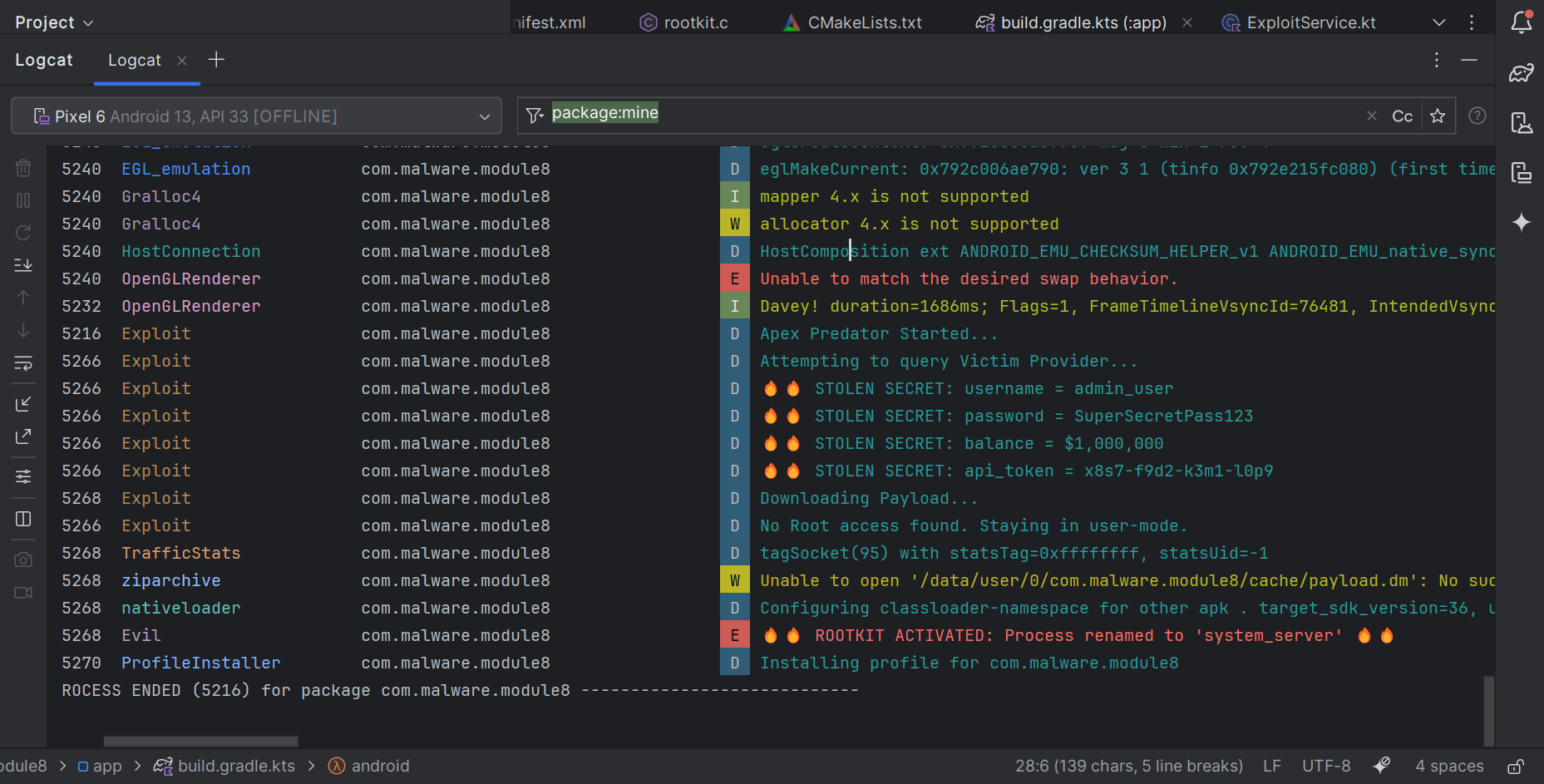
Building a Premium Cybersecurity Learning Experience
We designed and developed a modern learning platform for Malforge Academy, focused on delivering advanced cybersecurity training through an intuitive user experience. The new website effectively showcases their specialized courses, strengthens brand credibility, and creates a seamless journey for learners exploring offensive security and malware development programs.
Read Case Study
Transforming an E-Learning Platform for Higher Conversions
We built a scalable and user-centric digital experience for EduVyne, making it easier for professionals to explore certification programs, compare learning paths, and enroll with confidence. The improved user journey, stronger course presentation, and optimized conversion funnels helped increase qualified leads and course registrations.
Read Case Study
THE Process
A transparent, strategy-first approach to building digital systems that perform.
Web Strategy
Defining goals, user personas, and a comprehensive digital roadmap tailored to your distinct business objectives.
Planning & Architecture
Structuring content, mapping user flows, and creating high-fidelity wireframes to ensure optimal user journeys.
Creative Design
Crafting beautiful, brand-aligned interfaces that engage visitors, build trust, and drive meaningful conversions.
Responsive Development
Building scalable, high-performance code architectures that work flawlessly across all modern browsers and devices.
Quality Assurance
Rigorous stress testing, security audits, and QA across devices to guarantee a bug-free, premium experience.
Launch & Optimization
Deploying the site and continuously monitoring data analytics to inform further iterations and improvements.
WHY Choose Us
We don't just build websites. We engineer high-performance growth engines.
Results-Driven Focus
Every decision is backed by data. We prioritize metrics that actually impact your bottom line—leads, sales, and revenue.
Scalable Systems
Digital infrastructures built with modern tech stacks that grow seamlessly alongside your business.
Strategic Partner
We act as an extension of your team, providing transparent and reliable communication at every stage.
Elite Performance
Industry-leading load times, accessibility scores, and SEO technical foundations baked directly into every single project.
We specialize in full-cycle digital development and marketing, including custom web design & frontend development, technical SEO strategies, paid media/CRO campaigns, and scalable cloud application architecture.
We follow a collaborative, strategy-first methodology: starting with thorough research, moving to content architecture and wireframing, crafting bespoke UI designs, and executing high-performance development and QA before launch.
Yes, absolutely. We do not use generic page builders or restrictive templates. Every site we build is engineered from scratch using modern technology stacks (like Next.js, React, Tailwind CSS) optimized for speed, security, and scalability.
Every project includes core technical SEO best practices out of the box—semantic markup, fast load times, structured schema data, and mobile optimization. We also offer advanced ongoing SEO campaigns to build domain authority and rankings.
A standard landing page or marketing website generally takes 4 to 6 weeks, while more complex enterprise applications or e-commerce platforms can take 8 to 12 weeks depending on the feature roadmap.
Ready to Dominate
Your Market?
Stop losing leads to competitors. Let's build a digital strategy and website that turns traffic into revenue.